Literature
Yoruba literature includes oral traditions (folktales, praise poetry, proverbs) and written works by notable authors.
Lítírésọ̀ Yorùbá
Lítírésọ̀ Yorùbá pín sí ẹnu kò (oral tradition) àti àkọsílẹ̀ (written). Ó ní àròsọ, ìtàn ìmọ̀lára, oríkì, ewì, ìtàn ìtàn, àti ẹ̀kọ́ ìmọ̀ ìwà.
- Folktales about Tortoise (Ijapa) and other characters teach morals.
- Praise poetry (oriki) honors families and individuals.
- Hunting chants (ijala) and traditional poetry.
Oral Literature
- Àròsọ & Ìtàn Aláwòrán: Ìtàn Ìjàpá (Tortoise), Ajá, Ọ̀wẹ̀wẹ̀—kó ìmọ̀ ìwà rere.
- Oríkì: Ìyìn ìdílé/ìlú/ẹni kàn, pẹ̀lú ìrántí ìtàn ìran.
- Ewì & Ìjálá: Ewì àgbélébọ̀ọ̀rọ̀, Ìjálá fún olùpẹja/arakùnrin ọdẹ.
Oral Literature
- D.O. Fagunwa: Forest of a Thousand Demons — first Yoruba novel.
- Wole Soyinka: Nobel laureate, dramatist, and poet.
- Other Authors: Adebayo Faleti, Amos Tutuola (The Palm-Wine Drinkard), Femi Osofisan.
Written Literature
- D.O. Fagunwa: Ògbójú Ọdẹ nínú Igbó Irúnmalẹ̀—àkọ́kọ́ ìtàn aláwòrán ní Yorùbá, kún fún àròsọ ògbóǹ.
- Wole Soyinka: Onkọ̀wé, òjòjò ìmọ̀ ní àgbáyé, kó Yorùbá síta ní ìtàn, ewì, àti oníṣeré.
- Àwọn onkọ̀wé míì:
- Adebayo Faleti — ewì, ìtàn, ìṣe asa.
- Amos Tutuola — The Palm-Wine Drinkard (ní Gẹ̀ẹ́sì, ṣùgbọ́n jẹ́ ìtan Yorùbá).
- Fẹ́mi Òṣòfisan — oníṣeré, ìtàn ìjọba àti àwùjọ.
Written Literature
Themes
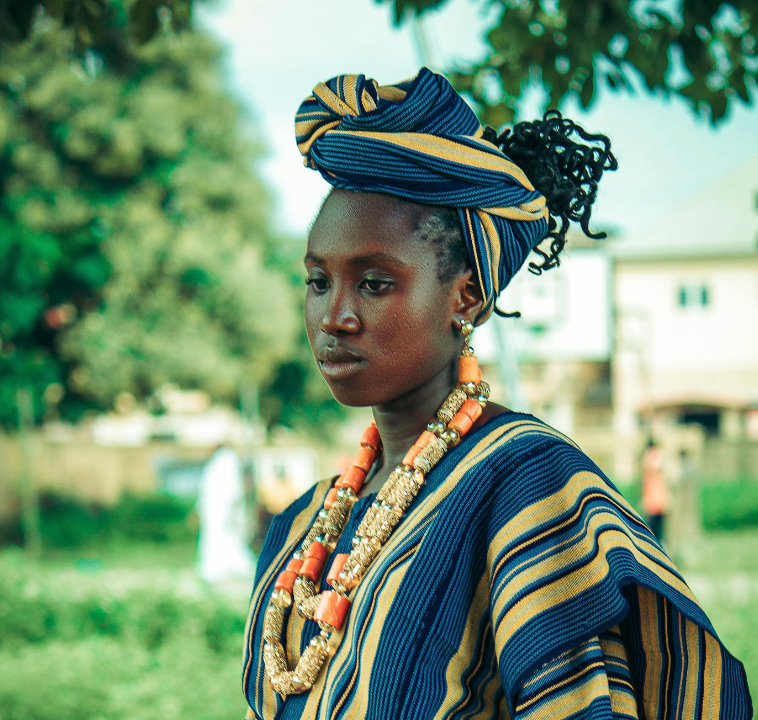
Morality, respect for elders, wisdom, and community values.